1950s | Blues | Guitarists | Player History
Albert Collins
Playlist
3 Videos
0:16
0:16
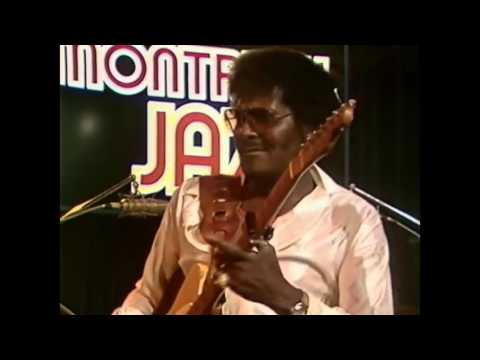
Albert Gene Drewery, known as Albert Collins and the Ice Man (October 1, 1932 – November 24, 1993), was an American electric blues guitarist and singer with a distinctive guitar style. He was noted for his powerful playing and his use of altered tunings and a capo. His long association with the Fender Telecaster led to the title “The Master of the Telecaster”.
Collins was born in Leona, Texas, on October 1, 1932. He was introduced to the guitar at an early age by his cousin Lightnin’ Hopkins, also a Leona resident, who played at family gatherings. The Collins family relocated to Marquez, Texas, in 1938 and to Houston in 1941, where he attended Jack Yates High School. Collins took piano lessons when he was young, but when his piano tutor was unavailable his cousin Willow Young would lend Albert his guitar and taught him the altered tuning that he used throughout his career.
Collins tuned his guitar to an open F-minor chord (FCFAbCF), with a capo at the 5th, 6th or 7th fret. At the age of twelve, he decided to concentrate on learning the guitar after hearing “Boogie Chillen'” by John Lee Hooker. At eighteen Collins started his own group, the Rhythm Rockers, in which he honed his craft. During this time he was employed for four years at a ranch in Normangee, Texas; he then worked as a truck driver for various companies for twelve years.
Collins played an Epiphone guitar during his first two years with the Rhythm Rockers, but in 1952, after seeing Clarence “Gatemouth” Brown playing a Fender Esquire, he decided to purchase a Fender. He wanted a Telecaster, but because of the cost, he chose to buy an Esquire, which he took to the Parker Music Company in Houston to be fitted with a Telecaster’s neck. This was his main guitar until he moved to California, and it was the guitar that he used on his earliest recordings, including his signature song, “Frosty”.
For the rest of his career, he played a “maple cap”–necked natural ash body Fender 1966 Custom Telecaster with a Gibson PAF humbucking pickup retrofitted into the neck position, which became the basis for a Fender Custom Artist signature model in 1990.
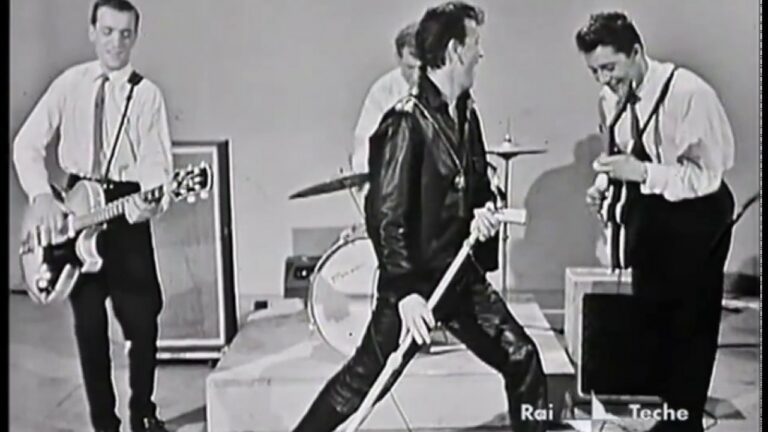
Gene Vincent Vincent Eugene Craddock (February 11, 1935 – October 12, 1971), known as Gene Vincent, was an American musician who pioneered the styles of rock and roll and rockabilly. His 1956 top ten hits with his Blue Caps, “Be-Bop-A-Lula”, is considered a significant early example of rockabilly. He was inducted into the Rock and…
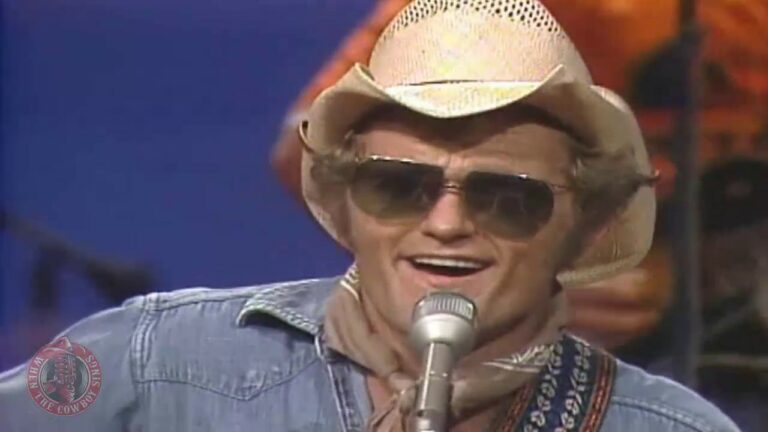
Jerry Reed Jerry Reed Hubbard (March 20, 1937 – September 1, 2008) was an American country music singer, guitarist, composer, and songwriter, as well as an actor who appeared in more than a dozen films. His signature songs included “Guitar Man”, “U.S. Male”, “A Thing Called Love”, “Alabama Wild Man”, “Amos Moses”, “When You’re Hot,…
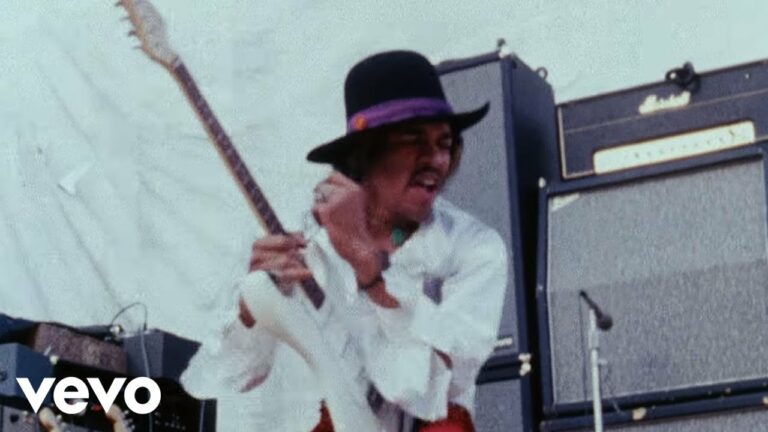
Jimi Hendrix James Marshall “Jimi” Hendrix (born Johnny Allen Hendrix; November 27, 1942 – September 18, 1970) was an American rock guitarist, singer, and songwriter. His mainstream career lasted only four years, but he is widely regarded as one of the most influential guitarists in history and one of the most celebrated musicians of the…
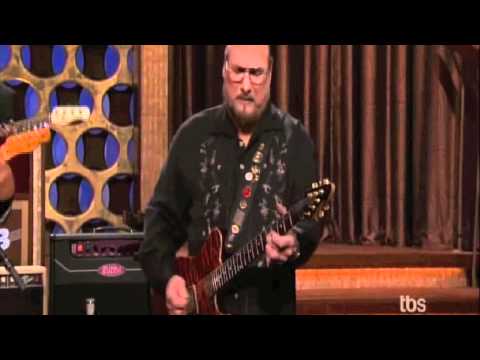
Steve Cropper Steven Lee Cropper (born October 21, 1941), sometimes known as “The Colonel”, is an American guitarist, songwriter and record producer. He is the guitarist of the Stax Records house band, Booker T. & the M.G.’s, which backed artists such as Otis Redding, Sam & Dave, Carla Thomas, Rufus Thomas, and Johnnie Taylor. He…
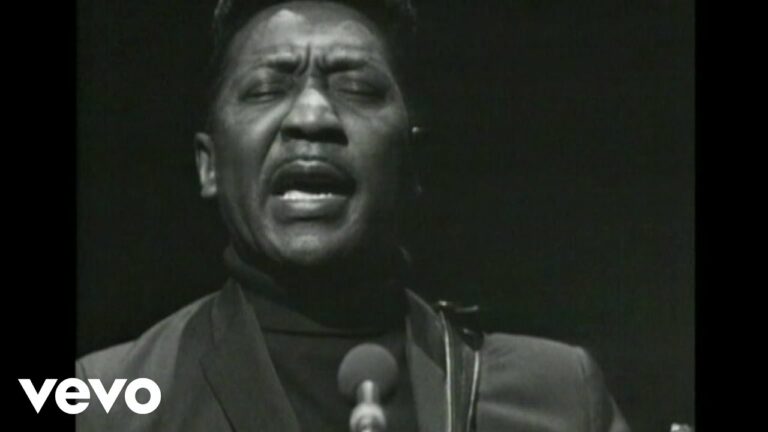
Muddy Waters McKinley Morganfield (April 4, 1913 – April 30, 1983), known professionally as Muddy Waters, was an American blues singer-songwriter and musician who is often cited as the “father of modern Chicago blues”, and an important figure on the post-war blues scene. His style of playing has been described as “raining down Delta beatitude”….
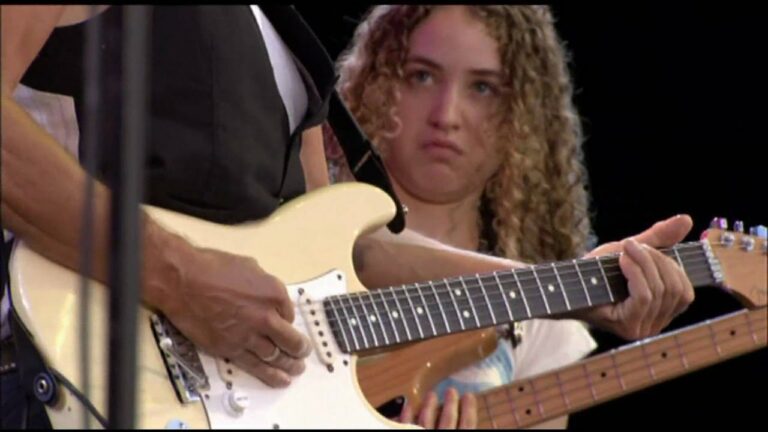
Jeff Beck Geoffrey Arnold Beck (born 24 June 1944) is an English rock guitarist. He is one of the three noted guitarists to have played with The Yardbirds (the other two being Eric Clapton and Jimmy Page). Beck also formed The Jeff Beck Group and with Tim Bogert and Carmine Appice, he formed Beck, Bogert…