Lonnie Johnson
Playlist
3 Videos
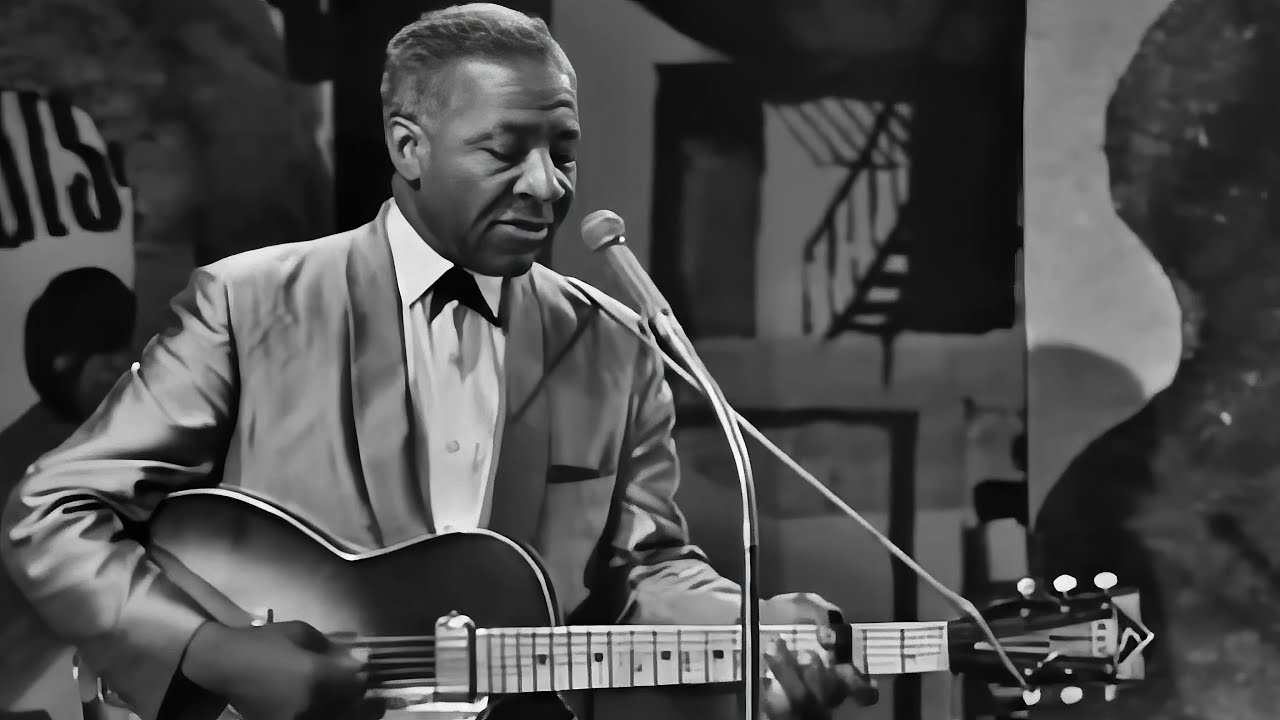
5:00
3:32

Alonzo “Lonnie” Johnson (February 8, 1899 – June 16, 1970) was an American blues and jazz singer, guitarist, violinist and songwriter. He was a pioneer of jazz guitar and jazz violin and is recognized as the first to play an electrically amplified violin.
One of a large family of musicians, Johnson played violin in his father’s string band, and he also played guitar in New Orleans in the early 20th century. He travelled with a musical revue to London in 1917, returning home two years later. Johnson performed in the Mississippi riverboat bands of Fate Marable and Charlie Creath (1920–22) and on vaudeville tours before beginning his recording career, which lasted some 40 years and yielded about 500 recordings. Though he also played often in theatres and nightclubs and on radio, he supported himself with non-musical work during several lean periods.
Johnson did much of his major work during his first recording period, 1925–32. He was among the first guitarists to play single-string solos, and his energy, swing, melodic ingenuity, and good taste were important elements in recordings by Louis Armstrong’s Hot Five (“Hotter Than That”), Duke Ellington, The Chocolate Dandies, McKinney’s Cotton Pickers, and King Oliver. He also recorded guitar solos and exceptional duets with the other major early jazz guitarist, Eddie Lang (“A Handful of Riffs”).
Despite his urban style, Johnson’s blues also influenced rural performers, most notably Robert Johnson. Lonnie Johnson was an unusually gifted lyricist, his subject matter ranging from highly serious to amusing, as suggested by such songs as “Blue Ghost Blues” and “He’s a Jelly Roll Baker.” In time, his blues often became repetitious, and he added sentimental ballads to his repertoire. One ballad, “Tomorrow Night” (1948), was a million-selling hit. Johnson was inducted into the Blues Hall of Fame in 1990.
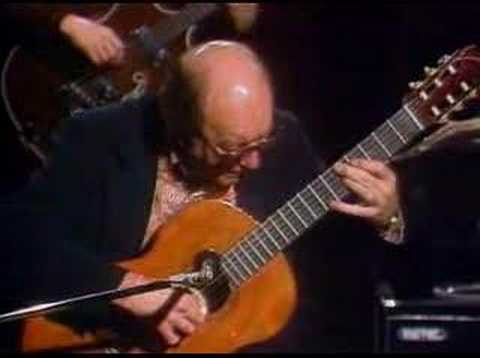
Charlie Byrd Charlie Lee Byrd (September 16, 1925 – December 2, 1999) was an American jazz guitarist. Byrd was best known for his association with Brazilian music, especially bossa nova. In 1962, he collaborated with Stan Getz on the album Jazz Samba, a recording which brought bossa nova into the mainstream of North American music….
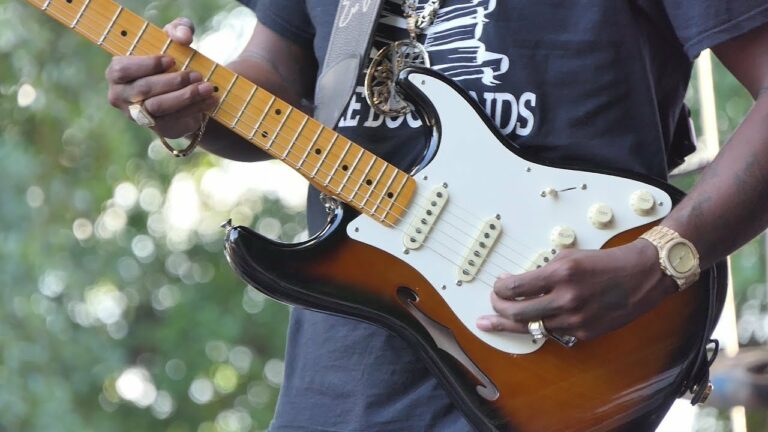
Eric Gales Eric Gales (born October 29, 1974), also known as Raw Dawg, is an American blues-rock guitarist, originally hailed as a child prodigy. As of 2019 Gales has recorded eighteen albums for major record labels and has done session and tribute work. He has also contributed vocals on several records by the Memphis rap…
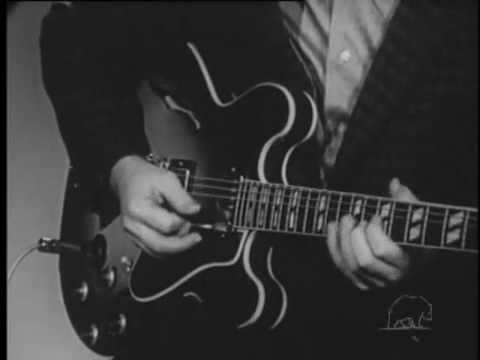
Hank Garland Born in Cowpens, South Carolina, Garland began playing guitar at the age of six. He appeared on local radio shows at 12 and was discovered at 14 at a South Carolina record store. He moved to Nashville at age 16, staying in Ma Upchurch’s boarding house, where he roomed with Bob Moore and Dale…
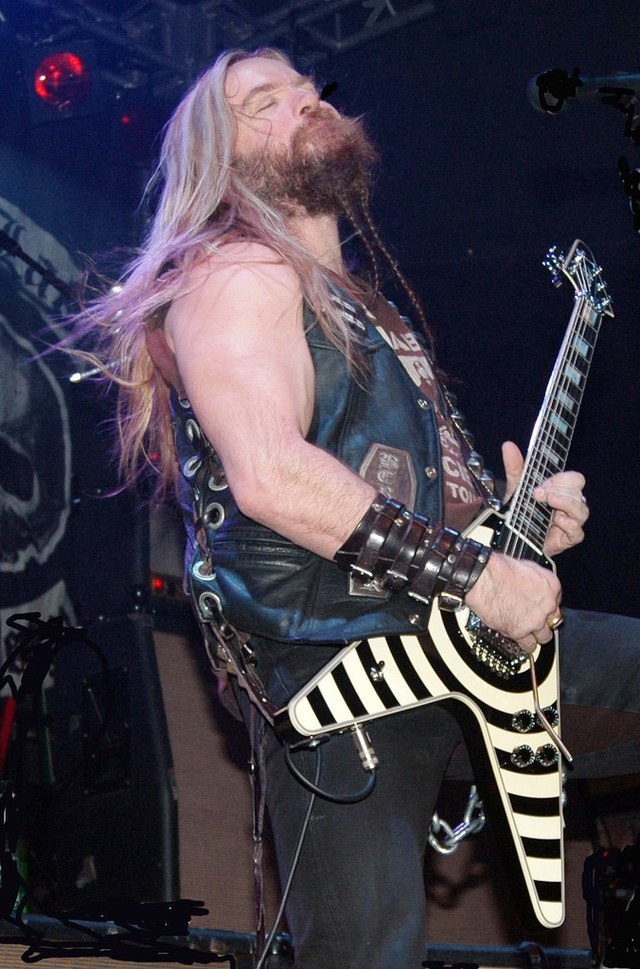
Zakk Wylde Zachary Phillip Wylde (born Jeffrey Phillip Wielandt; January 14, 1967) is an American musician, singer, songwriter, and actor. ZakkWylde is one of the greatest heavy metal guitarists of all time, originally hired by OzzyOsbourne at the age of 19 on the basis of a demo tape. After parting ways with Osbourne in ’95…

Cory Wong Cory Wong is an American guitarist, songwriter, and producer based in Minneapolis, Minnesota. He has released several works as a solo artist and in partnership with others. His background spans several genres including jazz. He has performed with Vulfpeck, Stays Human and Chris Thile. His most recent album, Live in Amsterdam, was released…

Molly Tuttle Molly Tuttle (born 1993) is a vocalist, songwriter, banjo player, and guitarist, recording artist and teacher in the bluegrass tradition, noted for her Flatpicking, clawhammer, and crosspicking guitar prowess. She has cited Laurie Lewis, Kathy Kallick, and Hazel Dickens as role models. Playlist 3 Videos Molly Tuttle Bluegrass Guitar Lesson 8:51 Molly Tuttle…